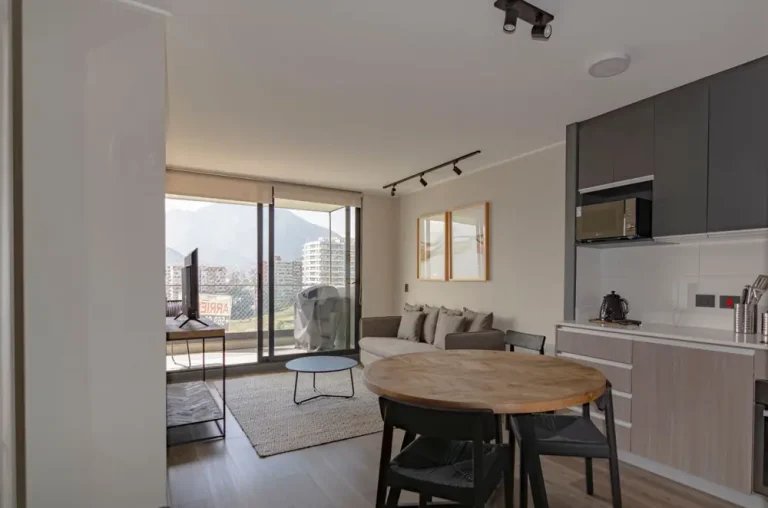
Pet Friendly Extended Stay Hotel Fee Cost Denver
By the StayWise Editorial Team — reviewed for accuracy. Last updated October 2026. This article is for informational purposes and reflects typical market pricing and program terms; verify current details before booking.
The pet-friendly extended-stay tier is its own pricing layer: properties that genuinely structure for animals (not merely tolerate them), the fee structures that price the stay, and the deposit arithmetic that varies by chain. Denver runs the category with mountain-west directness — deep inventory, explicit terms.
This guide prices pet-friendly extended-stay costs in Denver with 2026 numbers: the pet fee structures by chain (nightly, weekly, capped), the deposit layers, the weight-and-count policies that gate the inventory, and the honest total the pet month costs.
What This Guide Covers
- Understanding the topic and how pricing works
- The main categories and how they compare
- Three realistic scenarios with real numbers
- A sample budget breakdown
- Practical strategies to control costs
- Common risks and how to avoid them
- Best practices and ongoing habits
- Frequently asked questions
Understanding Pet Friendly Extended Stay Hotel Fee Cost Denver
The pet-fee structures: the chains run capped nightly fees (the weekly cap is the month-plus saver — $10–25 nightly that stops at $75–150 weekly, translating to flat monthly costs), the deposits layer one-time, and the deep-clean fees price the damage cases. The arithmetic the structure rewards: the month-plus pet stay prices the capped fee at its best.
The Denver inventory: the extended-stay chains run genuinely pet-structured product — the pet floors, the outdoor space, the policies published rather than improvised. The gates are real: weight limits run 50–80 lbs by chain, counts run 1-2 animals, and the breed-restriction lists persist. The booking diligence: confirm the pet terms in writing before booking — the published policy, the actual fee schedule, the deposit refund terms.
As a working planning number for the United States in 2026, the typical range sits at $0.0–$0.0 — with the categories and scenarios below explaining what moves a specific case up or down that range.
Key Categories and Options
The main approaches and how they compare on cost, convenience and use case:
| Category / Type | Description | Common Use Case | Cost / Effort Level |
|---|---|---|---|
| Capped-fee chains | Nightly fees with weekly caps | The month-plus friendly structure | The standard product |
| Deposit-based independents | One-time refundable deposits | The longer-stay structure | Terms-property-specific |
| Premium pet-welcoming tier | Structure and space built for pets | The comfort tier | Fee-inclusive or near |
The right choice depends on the scenario that matches your travel pattern — the three below cover the situations most travelers actually face.

Three Realistic Scenarios
The capped-fee month
30-night stay, chain pet fee weekly-capped.
- Weekly capped fee — $75–$150
- Monthly pet total — $300–$600
- Deposit (refundable) — $100–$300
Why this matters: the standard case — the capped structure prices the pet month at flat arithmetic; the cap is the month-plus feature.
The two-pet household
Two animals, count-limit confirmed.
- Per-animal fee structure — $0.0–$0.0
- Two-pet monthly total — $150–$300
- The count-gate diligence — $0.0–$0.0
Why this matters: the two-pet case — the count policies gate the inventory first; the per-animal fees price the stay second — confirm both in writing.
The large-breed booking
75-lb dog against the weight gates.
- Weight-gate inventory check — $0.0–$0.0
- The properties that welcome large — $0.0–$0.0
- The fee at the welcoming tier — $100–$250
Why this matters: the large-breed case — the weight limits gate before the fees price; the properties that welcome large breeds run their own terms worth confirming.
The scenarios differ mainly in scope and commitment level — the same decision logic applies at every scale.
Sample Budget Breakdown
The table below shows how a typical mid-range budget for pet friendly extended stay hotel fee cost denver distributes across the main cost lines. Adjust the percentages to your own plans before using it as a savings target.
| Category | Estimated Amount | Explanation | Optimization Tip |
|---|---|---|---|
| Written-term confirmation | $0.0–$0.0 | Before booking | The published policy, the actual fee schedule, the deposit refund terms — the pet booking prices on documentation |
| Capped-fee arithmetic | $75–$150 | Monthly structure value | The weekly cap converts nightly fees into flat months — the month-plus pet stay prices its best at the capped chains |
| Deposit-refund discipline | $100–$300 | The returnable layer | Document the room condition at check-in — the photo set prices the deposit-refund conversation before it happens |
Figures are indicative 2026 market ranges. Program terms, taxes and rates change — verify totals at the point of booking.
Practical Strategies to Control Costs
Cost control on pet friendly extended stay hotel fee cost denver is mostly about information habits. These are the strategies that consistently deliver the largest savings:
Stack the 30-day tax breakpoint where it exists
UK and several US jurisdictions cut or exempt occupancy taxes after 30 consecutive nights — the long-stay structure that genuinely changes the month total.
Advantages:
- Delivers measurable savings on real bookings
- No special status or points balance required
Disadvantages:
- Requires month-long commitment and jurisdiction-specific rules verification.
- Requires habits the casual traveler may not maintain
Book corporate housing for 2+ month stays
Furnished apartments price below hotel monthly rates past the two-month line, with more space and residential lease protections.
Advantages:
- Delivers measurable savings on real bookings
- No special status or points balance required
Disadvantages:
- Minimum terms, utility setup and less front-desk service than hotels.
- Requires habits the casual traveler may not maintain
Time snowbird seasons against shoulder months
Monthly rates peak in January and trough in the shoulder — moving the stay four weeks can cut the monthly rate by 25–40% in the same property.
Advantages:
- Delivers measurable savings on real bookings
- No special status or points balance required
Disadvantages:
- Weather and schedule flexibility decide whether this is real advice.
- Requires habits the casual traveler may not maintain
Ask insurance to house you properly
Displacement claims cover like-for-like accommodation — the extended-stay tier the policy pays for is often better than the motel the adjuster first offers.
Advantages:
- Delivers measurable savings on real bookings
- No special status or points balance required
Disadvantages:
- Requires knowing the policy terms and asking specifically.
- Requires habits the casual traveler may not maintain
Common Risks and How to Avoid Them
Every booking pattern carries failure modes worth knowing before the money moves:
Monthly-rate properties vary wildly by location
- The issue: The issue: the same chain prices $1,800 and $3,800 per month by metro.
- Why it happens: Why it happens: real estate costs. Prevention: compare across suburbs and neighboring towns, not just within the city..
- Prevention: Verify current terms before booking.
Tax break misunderstandings cost real money
- The issue: The issue: assuming the 30-day exemption applies everywhere.
- Why it happens: Why it happens: state and country rules genuinely differ. Prevention: ask the property directly about long-stay tax treatment before booking..
- Prevention: Verify current terms before booking.
Cancellation terms on monthly stays are strict
- The issue: The issue: long-stay bookings carry notice periods, not nightly flexibility.
- Why it happens: Why it happens: properties hold inventory for weeks. Prevention: read the monthly cancellation policy before committing, and negotiate terms in writing..
- Prevention: Verify current terms before booking.
Hidden incidentals on long stays
- The issue: The issue: weekly housekeeping fees, utility caps, and parking add-ons accumulate monthly.
- Why it happens: Why it happens: extended-stay pricing unbundles services. Prevention: itemize the incidentals in the rate negotiation..
- Prevention: Verify current terms before booking.

Best Practices and Ongoing Habits
The recurring habits that keep costs controlled between trips:
| Habit | Frequency | Cost | Why It Matters |
|---|---|---|---|
| Re-shop rates mid-stay extensions | As needed | Free | Extending a stay re-prices — the extension rate is negotiable, not automatic. |
| Verify the monthly rate at booking | Every stay | Free | Published weekly rates mislead — confirm the actual monthly figure directly. |
| Document incidentals in writing | Every stay | Free | Weekly housekeeping, utilities and parking written into the rate avoid checkout disputes. |
| Re-shop rates mid-stay extensions | As needed | Free | Extending a stay re-prices — the extension rate is negotiable, not automatic. |
These habits compound: the travelers who run them pay measurably less over years, not because of tricks, but because the information asymmetry runs their way.
Frequently Asked Questions
How much cheaper are monthly hotel rates?
Genuinely cheaper: extended-stay monthly rates run 40–60% below the nightly rate annualized — the volume pricing that long stays earn. The honest comparison prices the kitchen savings and tax treatment alongside the room rate.
Do hotels really cut taxes after 30 days?
In jurisdictions that apply long-stay treatment — the UK exempts occupancy tax after 30 consecutive nights, and several US states apply reduced rates. The rules are genuinely local: the property confirms what applies to your stay.
Is corporate housing worth it for one month?
Usually not — the furnished-apartment economics beat hotels past the two-month line, with minimum terms and setup overhead that a single month rarely absorbs. One month: extended-stay hotel. Three months: corporate housing.
Can you negotiate hotel monthly rates?
Yes, directly and routinely: published rates are the floor for 28+ night inquiries, and the property-direct call beats booking-site pricing on the stay lengths that matter. The written-terms habit completes the negotiation honestly.
Summary
Planning pet friendly extended stay hotel fee cost denver in the United States starts with the honest range — $0.0–$0.0 for the scenarios most travelers actually book — then works backwards through capped-fee structures and written terms.
$75–150 monthly pet fees at the capped chains, $100–300 deposits, gates by weight and count — the Denver pet-friendly extended-stay tier prices the animal month at honest arithmetic. Confirm the terms in writing, run the capped-fee chains for the month-plus stay, and document the condition that returns the deposit. Verify current terms at the point of booking, price totals rather than headline rates, and let the comparison habits compound across every trip. Those three practices protect more budget than any single program choice.